Cardiff’s drug scene is perhaps best known for providing the world with the dealer Pieter “Posh Pete” Trutton, who went to university in the city before dropping out to deal full time. Although he’s no longer active in the Welsh capital – or, in fact, anywhere (he’s now an author) – there remains a thriving drug scene, as befitting any city with a redbrick university. The guy I buy from lives near Las Ramblas, and it depends on whether he’s in or not.
Different Drug Testing Methods
You may need to stay in a rehabilitation center (also known as rehab) for intensive therapy and support. If you do attend rehab, continuing treatment afterward (aftercare) is important to help you avoid relapse. Cocaine, especially crack cocaine, is strongly addictive for several reasons. For one thing, the high feels very pleasurable, especially when you first try it. So you might keep taking the drug to prolong the good feelings and put off the unpleasant comedown.
Length Of Time Cocaine Was Abused
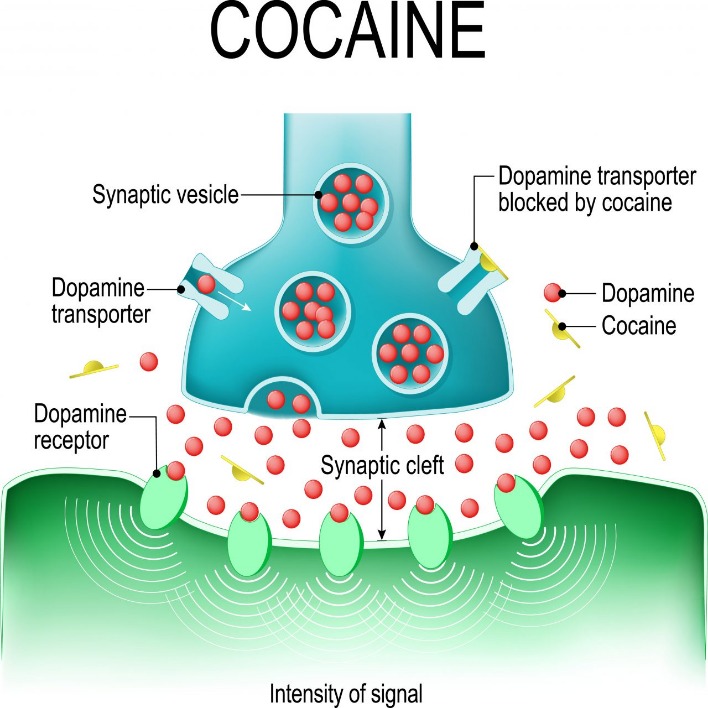
Cocaine is a local anesthetic that is derived from the leaves of the coca plant. Cocaine belongs to the family of drugs known as stimulants and offers short-lived euphoric effects that are followed by cravings for more. When cocaine is ingested, smoked, snorted, or injected it travels through the body, and over time, changes into metabolites that are expelled from the body. The highest concentrations of cocaine and its metabolites are found in urine, but they can also be found in blood, saliva, sweat, tears, hair, and even finger and toenails. The elimination process for cocaine involves its metabolism primarily in the liver, where it is broken down into benzoylecgonine and ecgonine methyl ester, which are then excreted in urine.
Learn more about treatment for cocaine addiction and contact a treatment provider to discuss rehab options for you or your loved one. If you’re concerned about cocaine being in your system for whatever reason, it’s best to stop using cocaine immediately. Depending on your pattern of use, however, this might cause you to experience withdrawal symptoms. Cocaine abuse can become expensive in part because most people who use cocaine use a lot of it within a short window of time. The average cost of illicit street drugs such as cocaine will vary based on where the drug is sold, availability, local laws, and more. It’s commonly used recreationally for its euphoric effects, but it also has medicinal applications, such as local anesthesia.
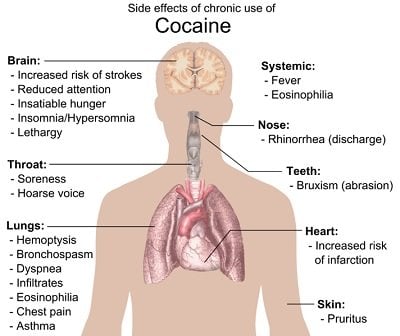
If you snort it, you might have nosebleeds, loss of smell, hoarseness, nasal irritation, runny nose, or trouble swallowing. If you inject it, you could develop tracks (puncture marks on your arms) and infections, such as HIV or hepatitis C. That being said, a natural approach can be more beneficial to anyone trying to recover from addiction. Short-cuts, like detox drinks might help you pass a drug test, but can also give a false sense of recovery. When you use substances like alcohol or drugs over a long period of time, your body can develop a dependence on these substances.

Support For Cocaine Addiction Recovery
Generally, withdrawal symptoms from cocaine during the detox period start within 24 hours after last using the drug. Cocaine, sometimes referred to as “crack cocaine,” is a stimulant substance with addictive properties. According to statistics from the 2021 National Survey on Drug Use and Health, roughly 4.8 million adults 18 and older in the United States reported using cocaine in 2021. Cocaine is a powerful drug that can damage a person’s health and well-being.
How Is Cocaine Addiction Treated?
Typically, the hair follicle test will examine the closest 2 inches of hair to the head, but if they test longer hair follicles cocaine use can be detected from many months past. Typically, the withdrawal period will last from a few hours to just a few days. And as with any illicit drug, taking cocaine also clouds the user’s judgment and increases the chance of him or her making bad choices, such as having unprotected sex and sharing needles.
How Does Cocaine Affect Your Body?
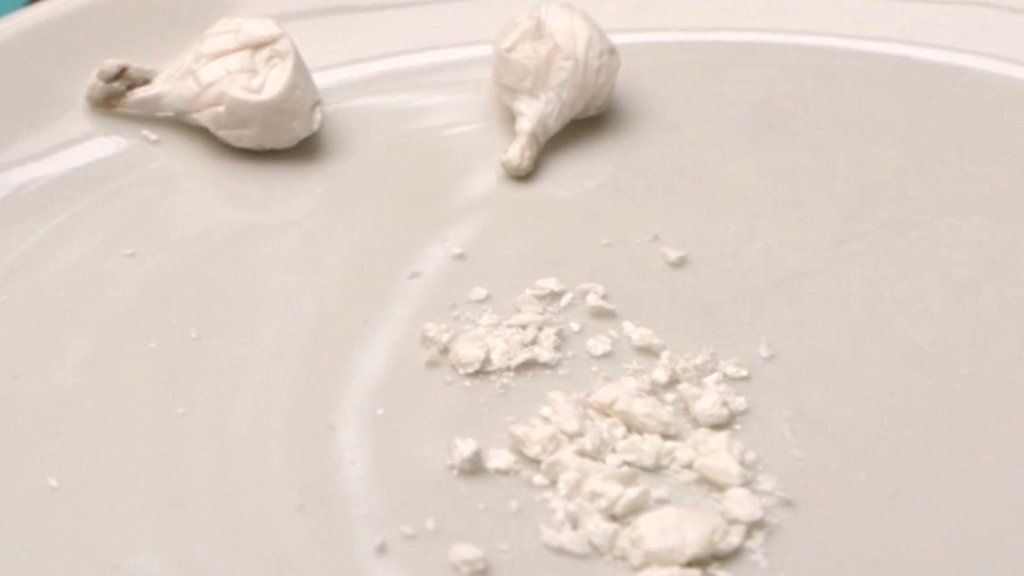
Cocaine base (crack) looks like small, irregularly shaped white rocks. Cocaine is an intense, euphoria-producing stimulant drug with strong addictive potential. Serious medical complications can occur with cocaine use, including cocaine use disorder and overdose.
Getting Support For Cocaine Detox
As technology advanced and knowledge of the plant became more refined, cocaine was transported to Europe in a drink called ‘Cocawine’. The Dutch cocaine factory was located in Amsterdam on Weespertrekvaart. Conny Braam wrote a book about the Dutch cocaine factory and spoke to Vice about her findings. Getting the cocaine from boat to land usually involves either a corrupt official or pure luck (given the amount of cargo coming ashore each day, something will always slip through). Most cocaine sold in the Netherlands today is not produced here, unlike during WWI.
Binge Use Effects
- When it comes to detecting the presence of cocaine in the body, saliva testing is one of the commonly used methods.
- However, this timeframe can vary depending on a number of factors, including the type of drug test being used.
- Your frequency of use directly influences detection windows, with chronic users showing positive results for considerably longer periods after their last dose.
- First, hydration helps flush cocaine metabolites out through the urinary system by increasing urine production.
- Usually, coke itself will stay in the urine for less than a day according to ARUP Laboratories, possibly even for a couple of hours after using, depending on the amount taken.
Upon ingestion, cocaine is rapidly absorbed into the bloodstream, where its effects are almost immediate when smoked or injected and slightly delayed when snorted or ingested orally. Cocaine’s short half-life of about 1 hour means its euphoric effects diminish quickly, but its metabolites remain detectable in the body. Benzoylecgonine, for instance, is identified in the urine for up to 3-4 days after use in casual users and longer for chronic users. Cocaine stays in the bloodstream for up to 24 hours after use, as studied by Addiction Resource.
Can You Get A False-positive Result For Cocaine Drug Tests?
If you have concerns or questions about saliva testing for cocaine, it’s best to seek guidance from a healthcare professional or addiction specialist. While blood testing can provide a relatively accurate indication of recent cocaine use, it does have its limitations. Blood tests have a shorter detection window compared to other methods such as urine or hair testing. This means that if a person has not used cocaine within the past couple of days, it may not be detectable through a blood test. Urine testing is the most common method used to detect recent cocaine use, while blood testing is typically employed in situations where immediate or recent drug use needs to be determined. Saliva testing can also provide a relatively short detection window, making it useful for detecting recent drug use.
Still, it’s important to note that trained professionals strictly regulate the use and provision of cocaine in medical settings to minimize potential risks. Even when withdrawal symptoms have subsided, sudden cravings are common. Behavior treatments show promising results for helping people through cocaine addiction. Treatment can be done on an outpatient basis or as part of a residential treatment program.

The effects of cocaine are euphoria, increased energy, and heightened alertness. Cocaine use impacts the brain and body in numerous ways, leading to both short- and long-term health consequences. These cocaine side effects range from mild stimulation to severe, life-threatening conditions depending on dosage, frequency of use, and individual health. Cocaine stays in urine for 1 to 4 days, with metabolites like benzoylecgonine detectable for this duration, as studied by Addiction Resource. Urine testing is preferred due to its accuracy and reliability in identifying cocaine use over a recent period.
Physical activity can increase blood flow and metabolism, which can help speed up the elimination of the drug. However, it’s important to consult with a healthcare professional before engaging in strenuous exercise, especially if you have any underlying medical conditions. Regardless of the route of administration, cocaine is metabolized by the liver, which filters the blood in the body. People with liver disease will have impaired metabolism, so elimination of cocaine may take longer for these individuals. It is also important to note that there can be genetic differences in a person’s ability to metabolize drugs.
And that can lead to intense and sometimes overwhelming cravings to use cocaine again. Depression, anxiety, paranoia, and more will all make their way through a detoxing coke user over the course of the next 3 to 7 days. And because both of these metabolites are only present in the body after an individual has been abusing cocaine, spotting these is a solid indication that they’ve been using recently. Cocaethylene is a clear sign of drug use and is therefore helpful in finding the drug within someone’s body. The chemical, after all, is not produced in the body without the introduction of cocaine and alcohol. And when it comes to cocaethylene, these impacts can be especially damaging.