Though no one should bat an eye just because you’re attempting to access the dark web, keep in mind that in some countries, like the United States, even a simple foray can get you in trouble. Next step – your request will be transferred to Tor entry nod which in turn transfers to one or more Tor relays. Afterwards, your request will be matched with the appropriate website. Tricky, but effective; that’s why it’s, by far, the best method to access dark web content.
Can I Access The Dark Web With A Free VPN?
It adds an extra encryption layer and passes your traffic through a secondary server of your choice, preventing anyone from seeing that you are accessing the web via Tor. All in all, it is not illegal to access the dark web, but it can create issues for you. If you don’t take the necessary measures, many unsavory activities can expose you to unnecessary risks. Many reputable websites and news outlets like ProPublica and SecureDrop often share official domain addresses of onion sites on their pages. Some users also share links on encrypted apps like Telegram or Keybase that you can check. It is the dark web’s version of Wikipedia with a massive links directory.
Because it’s easier to contain malware in a virtual environment, which can be fully controlled. Well, VPN over Tor is basically its opposite – instead of going through the VPN first, the signal passes through the Tor network, before going through the VPN. There’s no broad consensus on dark web safety, but you at least need to use Tor and VPN together. Once you have those, there are several ways to tunnel through the dark web. This multi-layered redirection ensures your actions leave no trace, offering a high level of anonymity. Choosing Tor over standard browsers is crucial for dark web navigation due to its unique privacy features.
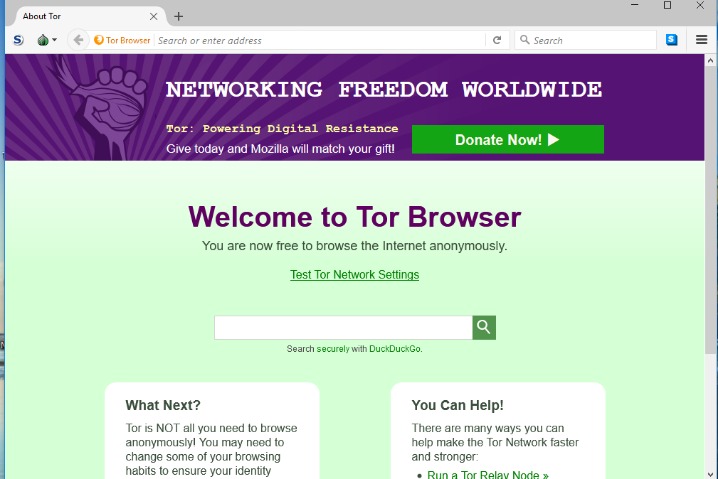
The Tor Browser is a specific web browser, based on Firefox, that utilizes the Tor protocol to enable private browsing. While the Tor Browser is designed to protect your privacy, it’s not 100% safe on its own. Without a VPN, your ISP can see that you’re using Tor, and the first Tor server (entry node) can see your real IP address. Additionally, if Tor leaks, your IP address will be exposed to everyone.
This guarantee gives you premium-level protection with zero limitations—as long as you cancel on time. Stay vigilant while browsing the Dark Web and trust your instincts. If something seems suspicious or too good to be true, it probably is. Avoid engaging in or supporting illicit activities, as they can have severe legal and ethical consequences. Ensure that you regularly backup your important data from devices that access the Dark Web.
Using Brave Browser (with Tor)
As dark web websites are not moderated, they can host a wide range of malware, such as ransomware, keylogger, and remote access Trojan. You can inadvertently download malicious software by visiting these websites, infecting your system. Visiting the dark web, if you don’t exercise caution and have enough security, poses many security and legal risks that can lead to data theft, identity fraud, and legal consequences. I2P, or the Invisible Internet Project, is an anonymous network layer to facilitate secure and private communication among its users. It works as a decentralized, peer-to-peer network that emphasizes censorship resistance and complete anonymity. The surface web is the open part of the internet, which includes publicly accessible websites and resources.
Alternatives To Tor
You don’t even need to use Tor Browser, but keep in mind other browsers can still pass identifying information through the network. Alternatively, there’s IPVanish who claim to be the world’s number one VPN for Tor and comes highly recommended, you can save 60% on the annual plan here. Obviously, finding these .onion websites is the first challenge, as they won’t show up in Google search results.
Tor Over VPN (Recommended)
If you choose to pursue exploring any sites on the dark web, you put yourself at risk of being singled out and targeted for hacks and more. Most malware infections can be caught by your endpoint security programs. However, you can still take illegal actions within Tor that could incriminate you regardless of the browser’s legality. You could easily use Tor in an attempt to pirate copyrighted content from the deep web, share illegal pornography, or engage in cyber terrorism. Using a legal browser will not make your actions fall to the right side of the law.
Illegal Streaming Sites
Instead, it routes your connection through a series of encrypted servers, or nodes, to maintain anonymity for both users and websites. Unlike the surface web, which can be indexed by standard search engines, the dark web exists on encrypted networks and hosts websites with random, complex URLs. This layered encryption and anonymization make it difficult for authorities or outsiders to trace activities or identify participants. Because of these privacy features, the dark web remains a hidden but active part of the internet ecosystem.
In addition, know that while accessing the dark web is legal in most countries, engaging in illegal activities (buying or selling contraband, hacking services, etc.), is illegal everywhere. You should be aware that law enforcement agencies may be monitoring the dark web and that visiting certain websites or engaging in illegal activities can result in criminal charges. You can also check out this ultimate dark web safety guide to browse safely. The dark web is a hidden part of the internet that requires specialized software like the Tor Browser to get access.
Can I Get In Trouble For Accessing The Dark Web?
You can access these websites without worrying about someone snooping on a Tor exit node, offering more private browsing of what is known as the deep web. The Tor Browser is an open-source web browser created for anonymous browsing and to evade censorship. It routes users’ traffic through thousands of volunteer-run servers called nodes/relays. These nodes/relays and the websites operating on them make up the Tor network, or as it is more generally named, the dark web. The dark web is a part of the internet that isn’t indexed by search engines. You’ve no doubt heard talk of the “dark web” as a hotbed of criminal activity — and it is.
- I2P uses one-way tunnels, so an eavesdropper can only capture outbound or inbound traffic, not both.
- There are numerous phishing sites, too, as explained earlier, designed to fool users into giving up their personal data.
- (Presentation and polish isn’t quite so important on this part of the internet.) Click on any website link, and it’ll appear on screen, with its address at the top.
- Unlike traditional browsers, this will route your internet traffic through an anonymizing network and mask your IP address.
The dark web limits online tracking, and there are many legitimate reasons people like journalists and activists use the dark web to remain private. But there are also many illegal activities that happen on the dark web. And just like in real life, using the dark web for criminal purposes is never legal. The Hidden Wiki is a surface website offering a collection of dark web links.
- This makes it slower than a VPN and also very difficult to try and get a new IP address in a specific country, which is easy to do with a VPN.
- Remember, even with these recommended websites, exercise caution and verify their reputability before engaging with them.
- The landscape of the dark web (and cyberthreats in general) is constantly changing, with new threats emerging regularly.
- Analytics Insight is an award-winning tech news publication that delivers in-depth insights into the major technology trends that impact the markets.
- Hackers sell access to email accounts, social media profiles, or other information that can be used for identity theft.
How Can I Differentiate Legitimate Services From Scams On The Dark Web?

For added protection, it’s best to use a VPN like ExpressVPN to encrypt your internet traffic and mask your IP address while establishing the initial Tor connection. Engaging in illegal activities on the Dark Web, such as buying illicit drugs or participating in hacking forums, can lead to serious legal consequences. Law enforcement agencies around the world actively monitor the Dark Web for illegal activities, and many criminals have been caught and prosecuted as a result of their actions online. Even if users maintain their anonymity, they are not immune from detection. It’s a corner of the internet where privacy is currency—and accessing it without protection? Whether you’re digging into whistleblower leaks, downloading files via secure .onion links, or just curious about what lives beyond the Google index, you need to lock in a VPN first.
However, if you’re planning to spend any time exploring the dark web, it’s crucial you take the necessary precautions to keep your device, your data, and yourself safe. This essentially just makes certain that your VPN is working and that your personal IP address isn’t exposed for malicious actors prowling the dark web. To conduct this check, just turn on your VPN and head over to ipleak.net and dnsleaktest.com to see if the IP address displayed is the one from your VPN. The dark web is full of malicious actors, cybercriminals, and other people who are looking to prey on curious but unprepared dark web browsers.
Transactions on the dark web are conducted with cryptocurrency due to its decentralized and anonymous nature. Cryptocurrency enables buyers and sellers to exchange goods and services without revealing their identities, making it ideal for illegal activities. They can monitor exit nodes but cannot easily trace traffic back to individual users unless mistakes are made. Yes, but for .onion sites, you’ll need search engines designed for the dark web like DuckDuckGo’s .onion version. This blog offers a complete guide on how to access the Dark Web using the Tor Browser, along with step-by-step instructions, security tips, legal warnings, and real-world examples.