
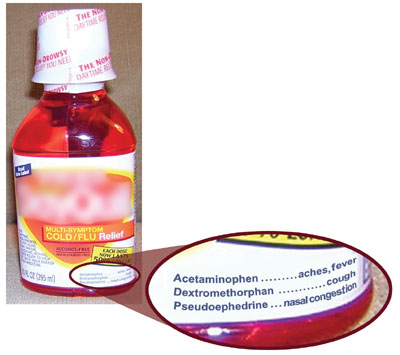
In particular, acetaminophen at high doses can cause severe liver damage and can result in a fatal overdose. High doses of guaifenesin, an expectorant commonly found in DXM-containing products, can bring on severe nausea and vomiting. The antihistamine chlorpheniramine maleate, a common ingredient in Coricidin Cough and Cold, can result in seizures and loss of consciousness at high doses.
Your Addiction Does Not Have To Define Who You Are
- High doses carry the most psychological and physiological risk, so users should never exceed 15 mg/kg.
- This is especially important if you will be giving cough and cold medications to a child.
- Dextromethorphan misuse is dangerous, and there have been reports of fatal overdoses.
- How does our brain differentiate between what’s real and what’s not?
- Auditory and visual hallucinations are also possible at this stage.
- This is because many of the cough and cold medicines contain other active ingredients.
In higher doses, the effects of DXM become more psychedelic in nature. The effects of high-dose DXM feel a lot like ketamine or other dissociatives. They disconnect the mind from the body which can be both freeing and terrifying at the same time. At the recommended dose, DXM has little, if any psychoactive side effects. In higher doses, DXM can induce states of inebriation similar to alcohol, dissociative states similar to ketamine, or full-blown psychotic episodes like PCP. Long-term misuse of dextromethorphan may lead to psychological dependence.
It is possible to treat DXM overdoses successfully with supportive care. Traditionally, DXM misuse involved drinking large amounts of cough syrup. However, DXM medications are now available in tablet or capsule form, making it easier for a person to ingest large quantities of the drug. Inform your doctor of all medications you are currently taking, who can advise you on any possible drug interactions. Never begin taking, suddenly discontinue, or change the dosage of any medication without your doctor’s recommendation.

Other Types Of Dissociatives
Dextromethorphan is an over-the-counter cough suppressant found in more than 120 cough and cold products. Recreational abuse has become increasingly common and leads to approximately 6000 emergency room visits a year. Recreational users intentionally exceed recommended doses to experience heightened awareness, altered time perception, and visual hallucinations.
Dextromethorphan (DXM) Addiction: Signs, Causes, Effects, And Treatment
If you’re interested in taking Delsym instead of dextromethorphan, talk with your doctor or pharmacist. To learn more about how generics compare with brand-name drugs, see this article. A generic drug is an exact copy of the active ingredient in a brand-name medication. Delsym is the brand-name medication that dextromethorphan suspension is based on. A generic is considered to be as safe and effective as the original drug.
Misuse of multisymptom cold medications, rather than use of a cough suppressant whose sole active ingredient is dextromethorphan, carries significant risk of fatality or serious illness. Chlorphenamine and phenylephrine may also contribute to the harm. Dextromethorphan, or DXM, is an over-the-counter cough suppressant found in the majority of nonprescription allergy, cold, and flu medications. At high doses, DXM acts as a powerful dissociative with effects similar to ketamine and PCP. Like other dissociative anesthetics, DXM is an NMDA antagonist but differs in that it also acts as a sigma receptor agonist and serotonin-norepinephrine reuptake inhibitor.
Is Dextromethorphan Considered A Narcotic Drug?

It is best known by its trade name, Robitussin, but is commonly found in other cough medicines such as Nyquil, Benylin DM, Coricidin Cough and Cold, and many more. Among other mechanisms of action, DXM and its major metabolite dextrorphan produce its dissociative effects by antagonizing the glutamatergic NMDA receptor. Below is a list of medications, supplements, and foods that can interact with dextromethorphan. This list does not contain all drugs that may interact with dextromethorphan. If you have questions about drug interactions that may affect you, ask your doctor or pharmacist. Dextromethorphan (DXM) is a common ingredient found in many cough and cold remedies.
Top Reads
A treatment center will attempt to verify your health insurance benefits and/or necessary authorizations on your behalf. Please note, this is only a quote of benefits and/or authorization. We cannot guarantee payment or verification eligibility as conveyed by your health insurance provider will be accurate and complete. Payment of benefits are subject to all terms, conditions, limitations, and exclusions of the member’s contract at time of service.
The length of a DXM trip is dose-dependent and depends on the form of DXM ingested. DXM hydrobromide typically lasts 4–8 hours, while DXM polistirex can last anywhere from 6–12 hours. Generally, DXM hydrobromide is the most popular recreational form. Recreationally, DXM acts as an NMDA antagonist that produces dissociative, sedating, and stimulating effects, depending on the dose consumed. Anecdotally, some frequent DXM users describe a chronic form of tolerance that may take at least several months to reverse.

Overdose Symptoms
This is a big advantage to other cough suppressants that work by reducing muscle movement in the lungs. DXM reduces the threshold for coughing without affecting other important functions like ciliary movement (the tiny hairs in the lungs that clear out phlegm and bacteria). Any dose can lead to physical dangers such as heatstroke, respiratory depression (breathing that’s become too slow), or liver damage.
Your doctor or pharmacist can tell you more about the potential side effects of dextromethorphan. Dextromethorphan should not be taken while you are using certain other medicines. Before taking dextromethorphan, tell your healthcare provider about any prescription or over-the-counter (OTC) medicines, vitamins/minerals, herbal products, and other supplements you are using. When a person takes DXM at the dosage that a doctor or pharmacist has recommended, it rarely has side effects. When people take the correct dosage of a cough medication, DXM does not pose a risk. However, some people misuse it in the hope of achieving a “high.” In these cases, the side effects can be severe.
People at this level often have a “robotic walk” — stumbling around in a very mechanical motion. Others lose control of their body completely and slump down in their chair or onto the floor. The dose for this plateau usually begins around 1.5 mg/kg up to 2.5 mg/kg. Even if DXM is taking a while to kick in, it’s never a good idea to take a second dose of DXM. If you are taking the liquid, do not use a household spoon to measure your dose. Use the measuring spoon or cup that came with the medication or use a spoon made especially for measuring medication.
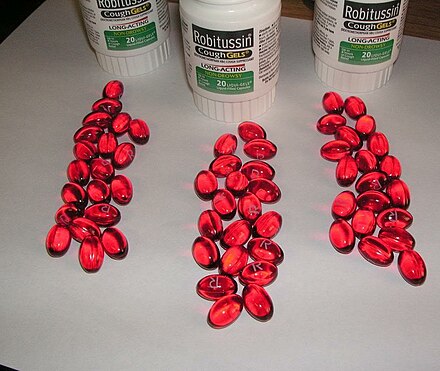
If a person is suspecting someone abusing the medication, professional help such as drug rehab treatment and recovery are great options to help the abuser get back on track. The vast majority of recreational users are adolescents and young adults. They usually consume DXM orally in formulations containing solely DXM.
Recreational abuse of DXM-containing products began shortly thereafter. In 2005, the FDA issued a warning regarding DXM abuse to increase awareness of this growing trend. This warning was in response to reports of deaths of teens that were related to the use of raw DXM purchased over the Internet. Effects of DXM addiction refer to the physical, emotional, cognitive, and behavioral consequences or outcomes that result from the abuse of the substance.
What To Do In Case You Take Too Much Dextromethorphan
Sharing this information can help you avoid potential interactions. Doctors sometimes prescribe a brand-name medication called Auvelity to treat depression. Auvelity contains dextromethorphan with another drug called bupropion.