It may also be a reliable way to reduce symptoms of depression, as well as increase overall concentration. Phenylethylamine occurs naturally in the body; as a supplement, metabolization is quick, making it a relatively safe choice for oral use in most patients. If you’re seeking a way to get the upper hand on your workouts or your weight loss without worrying about a slew of side effects, then PEA may be an option worth considering. Since phenylethylamine PEA works as a stimulant, large doses can increase adrenaline and raise blood pressure and heart rate, which may increase anxiety.
Phenylethylamine Brain
It can be a good source of amino acids for plant-based eaters, but it’s not an alternative to taking phenylethylamine supplements. Phenylethylamine can also be produced from dietary L-phenylalanine, an amino acid and component of dietary protein. Based on studies, it’s estimated that the average diet provides around four grams of phenylethylamine due to consumption of protein foods. Phenylethylamines are also generally found to be central nervous system stimulants with many also being entactogens/empathogens, and hallucinogens. Street names for some phenethylamines include ‘Europa’ for 2C-E; ‘4-FMP’, ‘para-fluoroamphetamine’, ‘RDJ’ for 4-FA; and ‘4-MMA’, ‘Methyl-MA’ for PMMA.
Group α1 is distributed in cardiovascular, intestinal, CNS and urinary systems, while group α2 is located in pancreas, CNS, and cardiovascular regions as well 24. If it’s cognitive enhancement you want, Piracetam might be the way to go. Part of the overarching “racetam” family, it provides a fair-to-middling brain boost and improves performance on some mental tasks by enhancing “cellular membrane fluidity.” You won’t get the stimulating or mood altering effects that Phenylethylamine offers, though. The interactions with other compounds are not understood to a great degree as of yet, though, there is some evidence showing that amines like Phenylethylamine will inhibit the secretion of prolactin (the hormone responsible for milk production in females).
Weird Words For Autumn Time
Numerous endogenous compounds—including hormones, monoamine neurotransmitters, and many trace amines (e.g., dopamine, norepinephrine, adrenaline, tyramine, and others)—are substituted phenethylamines. Dopamine is simply phenethylamine with a hydroxyl group attached to the 3 and 4 position of the benzene ring. Several notable recreational drugs, such as MDMA (ecstasy), methamphetamine, and cathinones, are also members of the class. Later, animals were trained to discriminate racemic α-ET from vehicle,113 and greater than one year of training was required to establish the stimulus cue (see comments in Section 10 on training animals to discriminate MDA from vehicle).
- The neuroscience literature is vast—far vaster than any one person can keep abreast of—and there’s always that nagging doubt that I’d missed a research niche far from my own specialism.
- The purpose of this review is to summarize general information about PEA, as well as detailing a selection of the functions, namely its role as a neurotransmitter and in food processing.
- PEA can be found naturally in many cacao, algae, fungi, and bacteria as well as clover, beans, peas, and some food products such as Natto and eggs.
- This means that PEA stimulates the release of dopamine, norepinephrine, and serotonin in the brain.
What To Know Before You Take Herbal Supplements
In fact, some suggest that a PEA deficit may be the cause of depression in the first place. One study had 14 patients with major depression take up to 60 mg per day of Phenylethylamine (PEA) along with 10 mg of selegiline (L-Deprenyl) for up to 50 weeks. In this review we investigate how phenylethylamine (PEA) works in the human brain.
Dopamine Release: Understanding The Most Potent Sources And Their Effects
PEA is rapidly broken down by monoamine oxidase-B (MAO) so unless you stack PEA with a brain chemical like a MAO-B inhibitor, don’t expect its effects to last. Most experience a peak within 15 minutes and sustained energy for 30 min. to an hour. It comprises a carbon-carbon single bond holding a phenyl group (C6H5) to an ethylamine group (CH3CH2NH2). This structure is responsible for its psychoactive properties and its ability to interact with neurotransmitter systems in the brain.
Studies in dogs suggest that phenethylamine had a very short half-life (5 to 10 minutes) 54. Some studies have found phenethylamine in chicken and fish and suggest this may be because of bacterial contamination 48, 49. Below is a summary of the existing animal and cell-based research, which should guide further investigational efforts.
Love Potion No 9: How Our Brain Brews PEA
Scientifically, PEA acts as a neuromodulator and neurotransmitter, influencing the release of dopamine and other catecholamines in the brain. Some small clinical studies and animal research have suggested that PEA supplementation may provide benefits for mood enhancement and attention. For example, a handful of studies have explored its potential role in alleviating symptoms of depression, particularly when used in combination with monoamine oxidase B (MAO-B) inhibitors, which slow its breakdown and extend its effects. Additionally, anecdotal evidence and consumer reports consistently highlight its energizing and focus-promoting effects.
- When it is working according to the plan, PEA and other trace amines can prevent metabolic dysfunction and neurological disorders.
- Nocentini et al. tested phenethylamine monothiocarbamates 87 and 88 as well as other cyclic derivatives against human CA I/II (hCA), with 26–43 nM activities in type II (Figure 8a) 137.
- Why are certain phenyl/arylalkylamines, such as these, centrally inactive, or nearly so, when administered systemically?
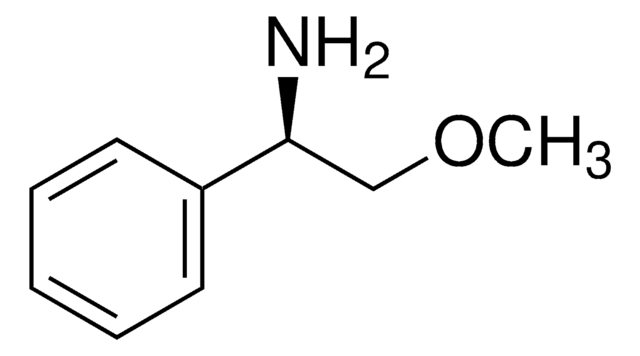
- Strictly, it should be called 2-phenylethylamine, or β-phenylethylamine, to distinguish it from its isomer, 1-phenylethylamine, or α-phenylethylamine; this has a chiral carbon atom and thus exists as optical isomers, unlike 2-phenylethylamine.
- A second, simpler way of producing PEA is to reduce ω-nitrostyrene with lithium aluminum hydride in ether (Nystrom & Brown, 1948).
From its mood-enhancing properties to its potential cognitive benefits, PEA stands out as a fascinating subject in the realm of neuroscience and mental health. Another significant aspect of PEA’s psychological effects is its role in motivation and reward systems. By enhancing dopamine activity, PEA may contribute to increased motivation, goal-directed behavior, and the experience of reward. This effect on motivation systems has led some researchers to explore PEA’s potential in treating conditions characterized by low motivation or anhedonia (the inability to feel pleasure). Moreover, PEA has been shown to interact directly with dopamine receptors, potentially enhancing the sensitivity of these receptors to dopamine.
15 Peroxisome Proliferator-Activated (PPAR) Receptors
Given that more significant doses could have adverse consequences, beginning with a modest dose and gradually increasing it is crucial. Be cautious before beginning to take any new supplements, and talk with your health provider if you’re unsure if it’s safe for you. Side effects can potentially include a rapid heart rate, heart palpitations, anxiety/nervousness, shaking, shivering, agitation, muscle stiffness and confusion.
9 Dopamine Transporter (DAT)

Galectins are a family of soluble carbohydrate binding proteins with several roles in inflammation, immune response, autophagy or signaling. Tejler et al. 172 described the synthesis of lactose derivatives, such as 121 with the phenethylamine moiety by 1,3-dipolar cycloadditions, with selective galectin-1 inhibition (Figure 14). More advanced DBH inhibitors are constituted by imidazolethione amines, such as etamicastat 142,143, nepicastat 144 or zamicastat 145, with low resemblance to dopaminergic amines. This review is divided in sections covering those molecular targets where 2-phenethylamines were found to be biologically relevant. Medicinal chemistry leads and state-of-the-art research on novel molecules are described here.
Figure 7
This structure allows PEA to interact with various receptors and enzymes in our nervous system, influencing neurotransmitter activity. One interesting controversy around chocolate and PEA is the question whether chocolate can cause migraine and whether this may be due to PEA. Of course, food in general can trigger migraine (Finocchi & Sivori, 2012). Also, individual studies point towards chocolate as one of those foods (Fukui et al., 2008), but other studies are in contrast with these findings (Marcus et al., 1997).
Tyramine is formed by the decarboxylation of the amino-acid tyrosine, and is present in significant amount in certain foods, such as some cheeses, leading to the “cheese effect”. If you aren’t a neuroscientist, why would you be skeptical about phenylethylamine? It sounds much like 5-hydroxytryptamine or anandamide or any of the other esoteric terms that only a specialist would recognise.
The distal end of the catheter was threaded subcutaneously and connected to a 22-gauge stainless steel cannula (P1 Technologies, Roanoke, VA, USA), fixed to the head assembly with dental cement and secured with Prolene surgical mesh (Ethicon Inc. Somerville, NJ, USA). After catheter implantation surgery, rats were allowed to recover from surgery for 7 days prior to the self-administration test. During recovery, the catheter was flushed once daily with 0.2 mL of heparinized saline (30 IU/mL) including gentamicin sulfate (0.33 mg/mL) to prevent clotting and infection.
This may have done wonders for chocolate sales, but the rapid metabolism of phenylethylamine by MAO-B will stop this PEA from reaching the brain. Although I’d never encountered PEA in my academic work, the name suggested it was one of the many trace amines that add to the biochemical soup in the brain. The neuroscience literature is vast—far vaster than any one person can keep abreast of—and there’s always that nagging doubt that I’d missed a research niche far from my own specialism. It’s rapidly metabolized by monoamine oxidase B (MAO-B), an enzyme that breaks down various neurotransmitters. This quick turnover is part of what makes PEA so intriguing – its effects are potent but short-lived, like a fleeting moment of intense joy or excitement. PEA is found naturally in various foods, particularly chocolate (told you we’d circle back to that!), certain cheeses, and fermented foods like sauerkraut.